
Unveiling the Disparity: The Gender Gap in Construction Site Workers
In the dynamic landscape of the construction industry, a notable gender gap persists, raising the question: “Where are all the women?”
In this article, we look at the reality that construction site workers are predominantly male and explore the factors contributing to this imbalance and potential avenues for change.
Understanding Gender Disparity
The Construction Sector: A Male-Dominated Arena
The construction sector in Guyana has long been characterized by its predominantly male workforce. This is nothing new in Guyana. When you look at the history and societal norms, you will see the shape of the industry’s demographics, contributing to the stark underrepresentation of women.
Navigating the Challenges Faced by Women in Construction
1. Stereotypes and Prejudice
Stereotypes surrounding gender roles and physical capabilities create barriers for women aspiring to join the construction workforce. Overcoming these preconceived notions is essential for fostering inclusivity within the industry.
2. Lack of Representation
A lack of visible role models in the construction field further perpetuates the gender gap. This section explores the importance of representation in inspiring and encouraging more women to pursue careers in construction.
3. Workplace Culture
Examining the prevailing culture within construction sites is crucial for understanding why women may find it challenging to integrate into the workforce. Addressing toxic behaviors and fostering an inclusive environment are key steps towards bridging the gender divide.
Breaking Barriers: Empowering Women in Construction
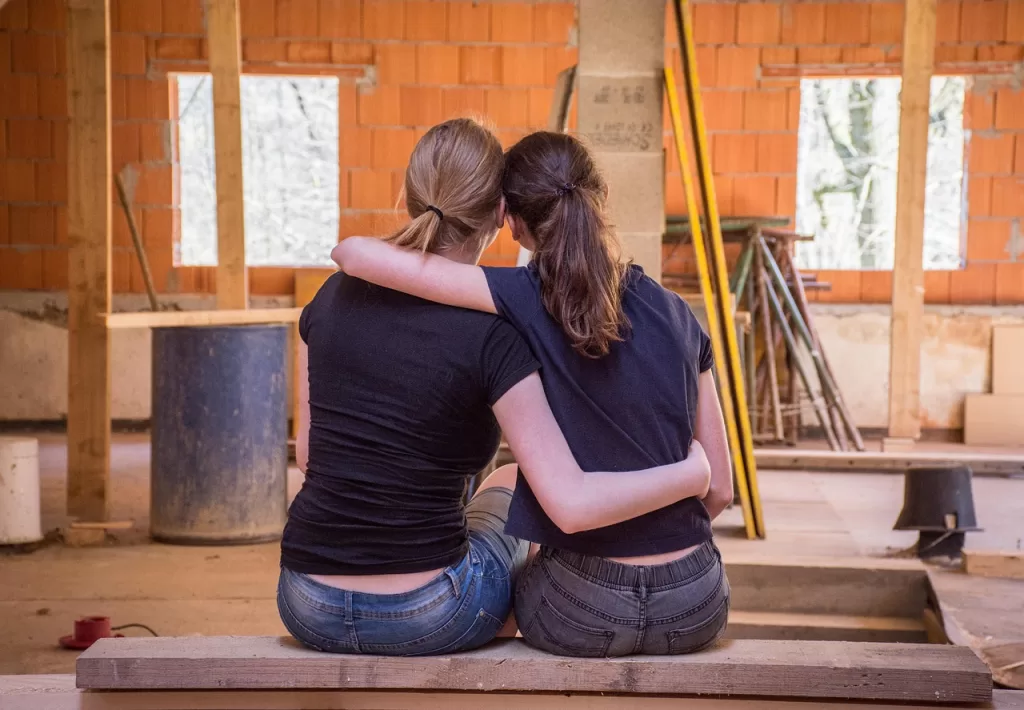
1. Educational Initiatives
Promoting STEM education for girls and women lays the foundation for breaking gender stereotypes. Encouraging interest in construction-related fields from an early age is instrumental in diversifying the talent pool.
2. Mentorship Programs
Establishing mentorship programs that connect aspiring female professionals with experienced women in the construction industry can provide valuable guidance and support. Sharing success stories and overcoming challenges together fosters a sense of community.
3. Industry Advocacy
Advocacy efforts from within the industry, coupled with partnerships with educational institutions, can help challenge stereotypes and actively work towards a more inclusive workforce.
Conclusion: Paving the Way for Equality
In concluding this exploration, it is evident that the gender gap among construction site workers is a multifaceted issue. By acknowledging the challenges, dismantling stereotypes, and implementing proactive initiatives, the industry can pave the way for a more equitable future.
FAQs
- Are there countries where the gender gap in construction is less pronounced?
- Yes, some countries have made strides in promoting gender diversity in construction, but challenges persist globally.
- How can individuals support the inclusion of women in construction?
- Individuals can advocate for inclusivity, challenge stereotypes, and support educational programs that encourage women to pursue careers in construction.
- What initiatives exist to address the gender gap in the construction industry?
- Various initiatives focus on mentorship, educational outreach, and workplace culture reforms to promote gender equality in construction.
- Is the lack of women in construction solely due to discrimination?
- Discrimination is a factor, but addressing broader issues such as societal norms and stereotypes is essential for comprehensive change.
- Can construction companies benefit from a more diverse workforce?
- Absolutely. Diversity brings varied perspectives and skills, fostering innovation and improving overall company performance.